‘Reproducible results thanks to objective measurements’ – Dr Gerard Marek, Gilgamesh Pharma
Gilgamesh’ 5HT2a agonist bretisilocin was recently acquired by AbbVie as an investigational therapy for major depressive disorder (MDD). Their ketamine analogue is in an early phase 2 stage of development. Both compounds were studied in healthy participants at CHDR.
‘I think 5HT2a agonists will revolutionise neuropsychiatry’, says Marek. ‘And I am confident that the acquisition of bretisilocin by AbbVie will prove to be an important step in that direction. It was the first time that a mid-large size pharmaceutical company has actually bought such a compound from a biotech company. Given the results of our studies, and similar work with psilocybin that others have done, we can say that there is something remarkable going on with this class of compounds. I've been in the pharmaceutical industry for many years, and we've been struggling to get any novel compounds in neuropsychiatry that have an effect size more than about 0.3. And with these psychedelic compounds, we're seeing a clinical effect size in the realm of 1. Obviously, we'll have to see how that pans out as things go into phase three, but it's really remarkable what we have found so far.’
Reproducible results
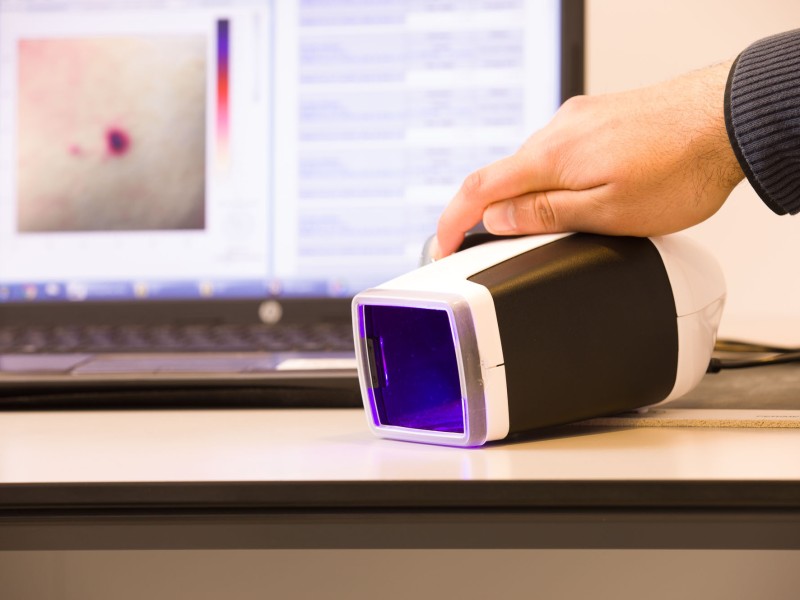
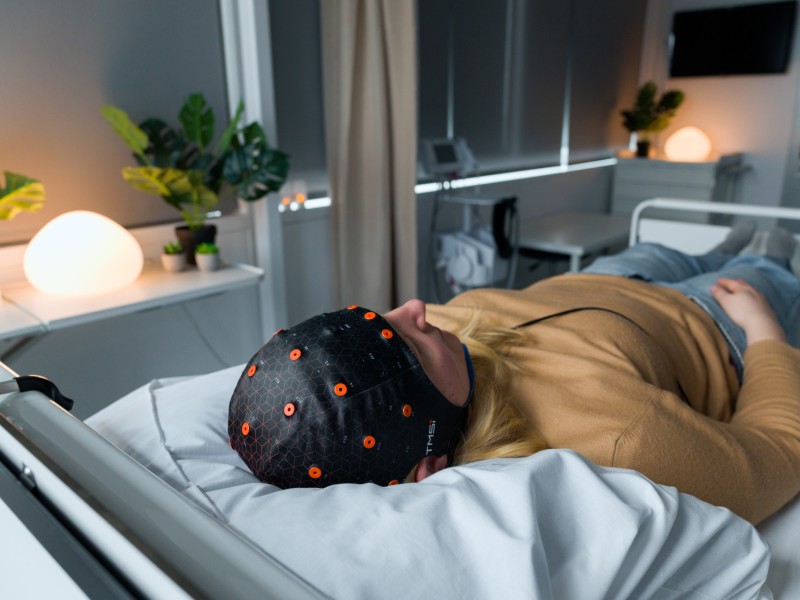
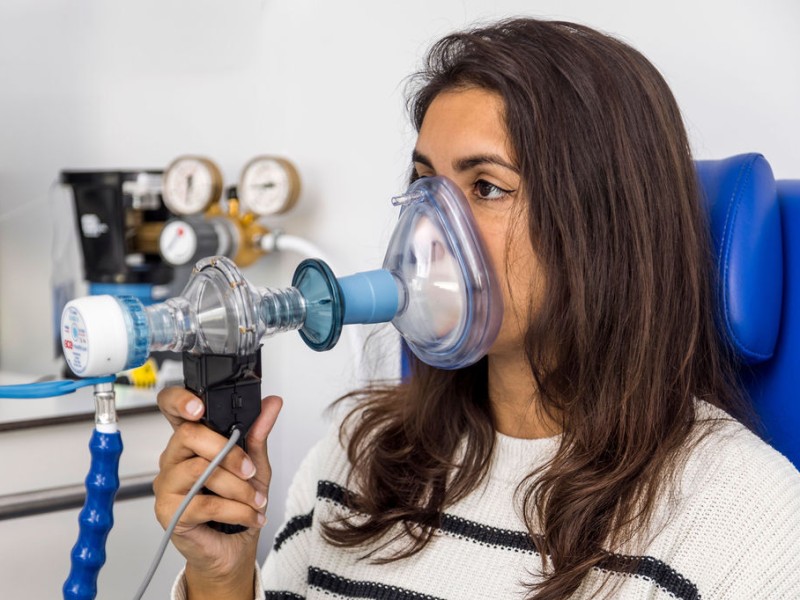
Marek and his team chose to work with CHDR’s Psychiatry Group led by Dr Gabriel Jacobs, because they wanted a CRO with a thorough clinical pharmacological approach. ‘CHDR really strives to bring in as many objective pharmacodynamic measures as possible to get a good handle on what medications are doing in humans. And I think that's actually especially useful when you're dealing with these types of medications, that are having profound subjective effects such as changes in consciousness and the participants’ experience of their surroundings and internal state. We need findings to be reliable and as reproducible as possible, to have a solid base to decide on the next steps of the development process.’
Bretisilocin, formerly known as GM-2505, was designed by Gilgamesh to fit a very specific profile. It is relatively short acting, which makes it easier to use in a psychotherapeutic setting. And it induces a profound psychedelic experience, similar to compounds such as LSD. The first-in-human study that CHDR performed helped Gilgamesh to select an optimal dose moving towards phase 2. Additionally, the studies provided information on autonomic nervous system measures such as blood pressure, heart rate and pupil diameter and on neuroendocrine effects (cortisol, prolactin and ACTH). ‘Based on the results of CHDR’s work, we felt confident enough to go into phase 2 in patients with recurrent MDD’ , says Marek. ‘And that’s where we showed significant improvement, leading to the decision by AbbVie to acquire the compound and continue its clinical development.’
Ketamine analogue
In 2025, CHDR also performed the first-in-human study with a cyclohexylamine compound, with a chemical structure similar to ketamine. At the time of our interview, the results were still confidential, but Marek looks optimistic when he talks about it: ‘In the early months of 2026, we plan to share the results at several scientific meetings.’
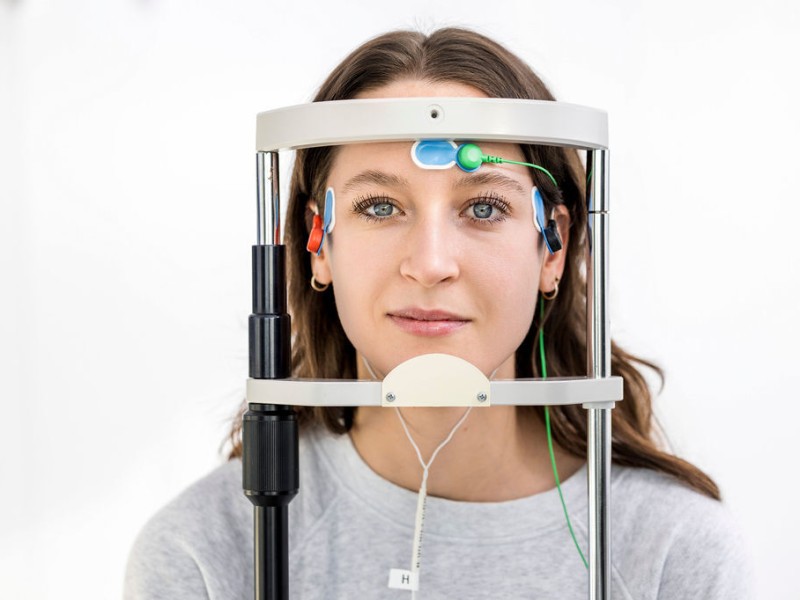
‘We chose to work with CHDR on this ketamine analogue for the same reasons as with bretisilocin: their dedication to science-based objective pharmacodynamic measures and their extensive experience studying both 5HT2A agonists and esketamine in healthy participants. CHDR’s NeuroCart test battery also proved very useful in objectifying unwanted sedation and psychotomimetic effects of the ketamine analogue. Our hypothesis with this compound is that it may have therapeutic effects at lower doses, lower than the dose at which problematic increases in sedation or dissociation occur. The NeuroCart measures sedation objectively using saccadic eye movements. So we really enjoyed working with CHDR. And I feel confident about their results because of their expertise in the area and the way they use objective measures to complement the rich subjective effects that were found with both of these classes of medication.’
Interested in learning more?
More articles from Developing drugs